Biography
The story of
Ömer Duman.
It began in Sakarya, as the child of a Bosniak family. It passed through Zihni Sinir magazines, dial-up internet and a shop in the Uzun Çarşı bazaar; and reached Universitev, born from a notebook, ifeelcode with its 37 people, and Partnerfy, with offices in four countries today. Unpolished, as it was.
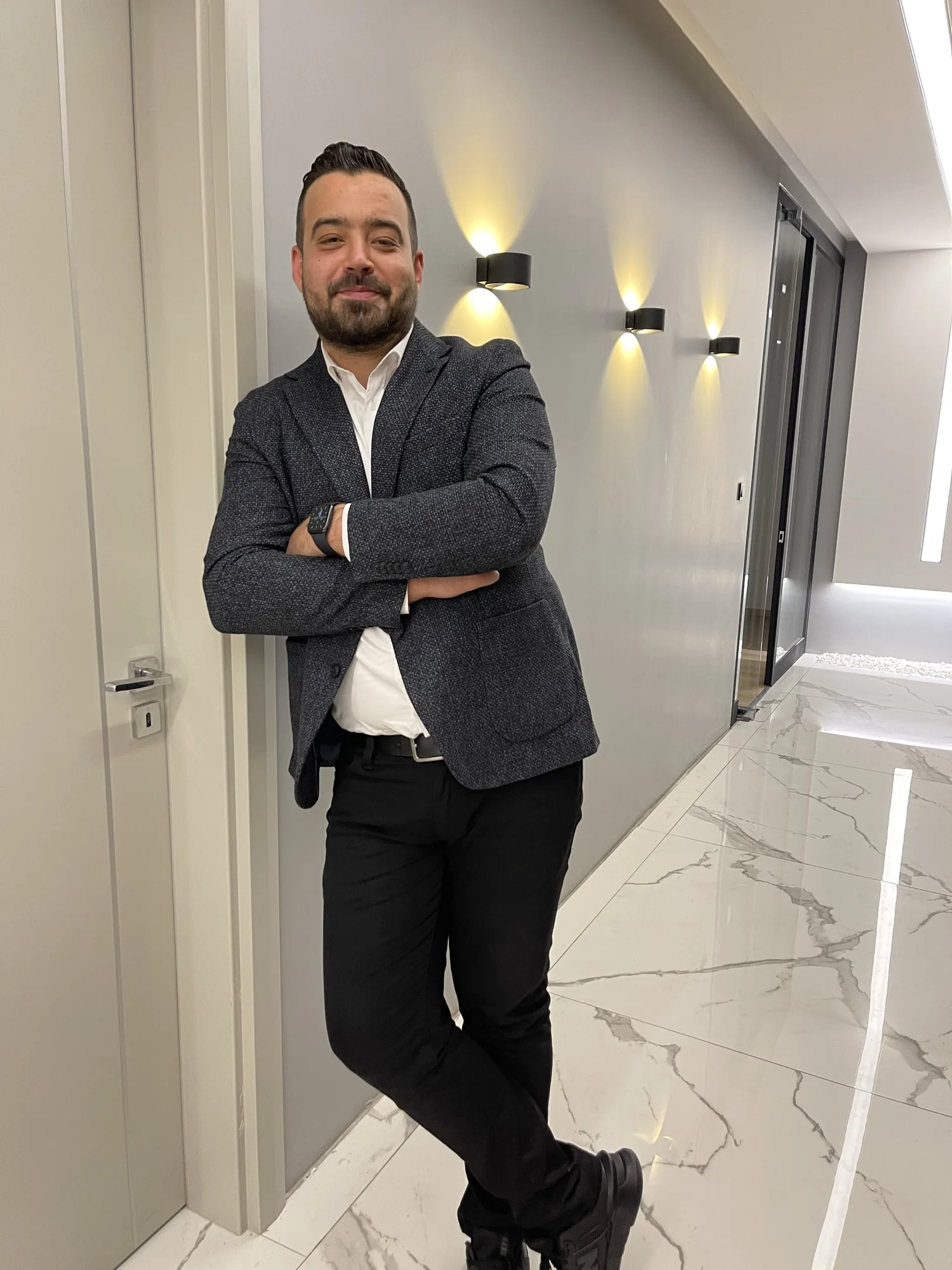
- Born
- 23 November 1990, Sakarya
- Origin
- Turkish entrepreneur of Bosniak origin
- Education
- Sakarya University, Business Administration · Koç University, MBA
- Companies founded
- Universitev A.Ş. (2014) · ifeelcode · Partnerfy (2024) · Kambloo
- Lives in
- Sakarya, Türkiye
Sakarya, 1990
I was born on 23 November 1990 in Sakarya. I am the child of a Bosniak family; my roots reach back to Bosnia. I carried that not like an identity card but like a way of working: speak little and do much, see a job through to the end, keep your word. Combined with Sakarya's bazaar culture, it produced the character I still carry today.
My father, Numan Duman, had a shop in the historic Uzun Çarşı bazaar that everyone knew as "Renk Mağazası". My childhood — including my high school and university years — passed in that shop. Out of school and straight to the bazaar, behind the counter.
Zihni Sinir and the years of
taking things apart
My relationship with technology began with a magazine. The Zihni Sinir magazines I discovered thanks to my elder sister Mine: İrfan Sayar's absurd inventions, the experiments on its pages, the question "would this actually work?". I would repeat the experiments at home; when they failed I would take them apart and build them again.
At that age I became convinced that I could not understand how something works without taking it apart. My habit today of "disassembling" a product, a process or a company to look inside comes from there. Looking back, every habit of breaking and tinkering has its roots in those magazines.
A first computer
at twelve
My family bought me my first computer when I was twelve. While my peers used it for games, I was curious about the inside of the case: what does the processor do, why does memory run out, how does a graphics card produce an image, what changes when you install a driver. Taking parts out and putting them back, breaking the system and reinstalling it — that was my game.
Then the internet came to Türkiye. Vitamin, Net, Ekolay... The sound of the dial-up connection; the home phone ringing busy whenever we were online; the "hang up, someone will call" era. With the internet, my habit of questioning found itself a limitless library. Ask a question on one forum, find the answer on another, try it, break it, try again.
Games, exploits, bots
After fifteen I got hooked on online games. First I played. Then I wondered how the game worked. Then I looked for its exploits: writing cheats, developing bots, reverse-engineering a server's logic.
That is how my interest in programming began: writing code not to win a game, but to understand its rules. Years later that curiosity would lead me, from a hospital bed playing Knight Online, to meeting a business partner; I will get to that.
Trade in the Uzun Çarşı
Growing up in the shop was a school. I learned trade there — how to talk to people, how to read what a customer wants from their face, how to bargain, how to count. The language I use today when talking to a client, an investor or my team has its roots behind that counter.
I have seen many times how much those experiences contributed to my business life. I truly believe this: anyone can learn to talk; what sets an entrepreneur apart is hearing what the other person leaves unsaid.
Anyone can learn to talk; what sets an entrepreneur apart is hearing what the other person leaves unsaid.
School years: the kid who
only went to the classes he loved
Let me be honest: I was not a student who cared much about education. I went to school because I had to, and followed only the classes I loved. But school gave me things more lasting than grades.
I attended kindergarten and primary school at Sakarya Atatürk Primary School. I still talk to about ten friends I met there; we have been friends for thirty years. Our class teacher, Nesibe Tamçakır, was a good teacher — we were too naughty.
For middle school my family chose Dr. Nuri Bayar Middle School, close to home. I started high school with the preparatory year and first grade at Işık College, and completed it at Sakarya University Foundation College.
At Sakarya University I first studied Tourism and Hotel Management; after the second year I switched to Business Administration. I was doing so much with software in those years that I neglected school; I finished university late, but I finished. Years later, while running my companies, I did an MBA at Koç University — this time going not to the classes I loved, but to the ones I needed.
The notebook
Apart from our family business, I never worked for an institution. I had business ideas about software in my head, but neither the budget to pursue them nor complete knowledge of how. The only thing I had was a notebook: during my university years I wrote down, one by one, the problems students ran into.
I believed university students were an extremely valuable asset for this country; I had to do something for them. The biggest problem was housing. Then, at exam time, the scramble of students who never took notes to find lecture notes. Most of the posts on Instagram confession accounts led to the same place: a flat, a dormitory, a room, a roommate.
There was no money, no knowledge, no capital. The long nights of thinking began with that notebook.
Universitev is born
After listing all the problems, my first project emerged: Universitev.com. The idea was both simple and big. Let a student find a flat, a dormitory, an apartment; let them see the cafés, restaurants and venues around the place they would live for four years; let them find lecture notes; let them find a roommate. For the roommate module we developed a matching algorithm together with mathematics professors; that was the module that could truly lift the project.
To bring the project to life I needed to reach people who could code. At the time I was working various jobs and saving a little "seed" capital. My plan was this: find the students at Sakarya University who knew software. I spent a while on campus, meeting different people.
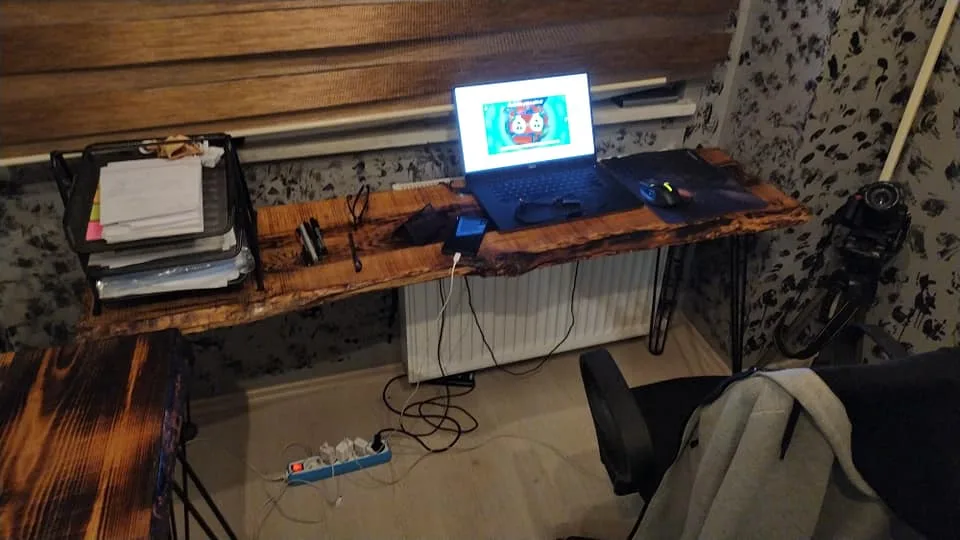
Then came my offer: let's free them from the flats and dormitories they were staying in. Let's rent a nice house; sleep upstairs, work downstairs, build the thing. Accommodation on me, food on me, heating on me. In return they would be the first stakeholders, the first partners, of a vision and an ecosystem. That is how Universitev's first home office and first team were founded.
An accident, an insurance payout
and the first company
After the first few years the project was not moving at the pace we wanted; our funds were shrinking. Right then, a car hit me at a pedestrian crossing. The tibia in my right leg broke; I spent a few months in hospital.
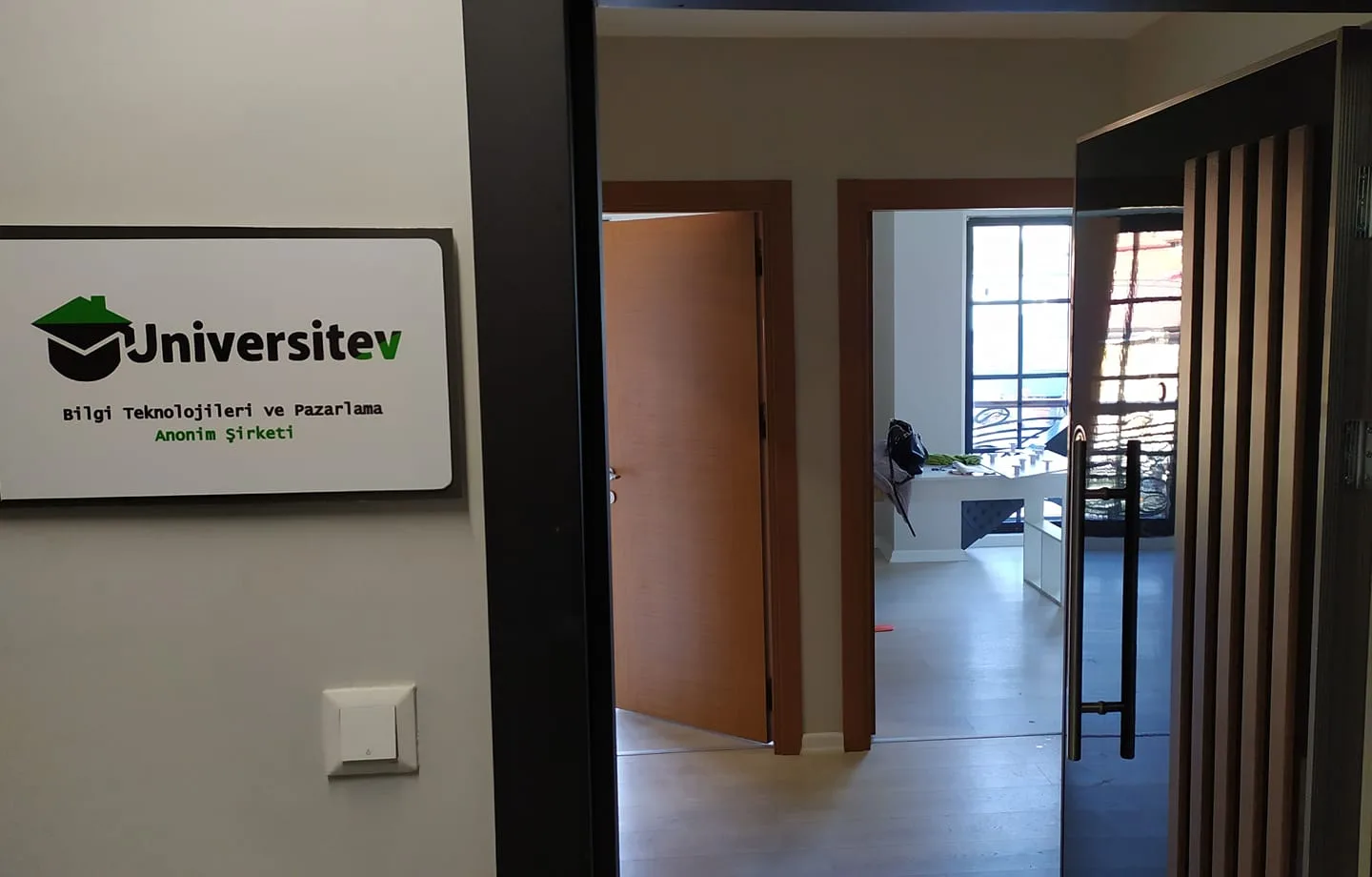
I received a laughably small sum from the insurance. With that money, and with the support of my uncle, who became my first partner, I founded Universitev Bilgi Teknolojileri ve Pazarlama A.Ş. We opened our first official office at Tan Business Center in Sakarya: from a virtual office to a real one. The year was 2014. From that moment we had entered formal business life, too.
ifeelcode: the side road
becomes the main road
Because our funds were running out, Universitev had to do work for the outside — for clients. Simple jobs: websites. In the beginning we worked for agencies that sold software but didn't build it; we solved their clients' needs.
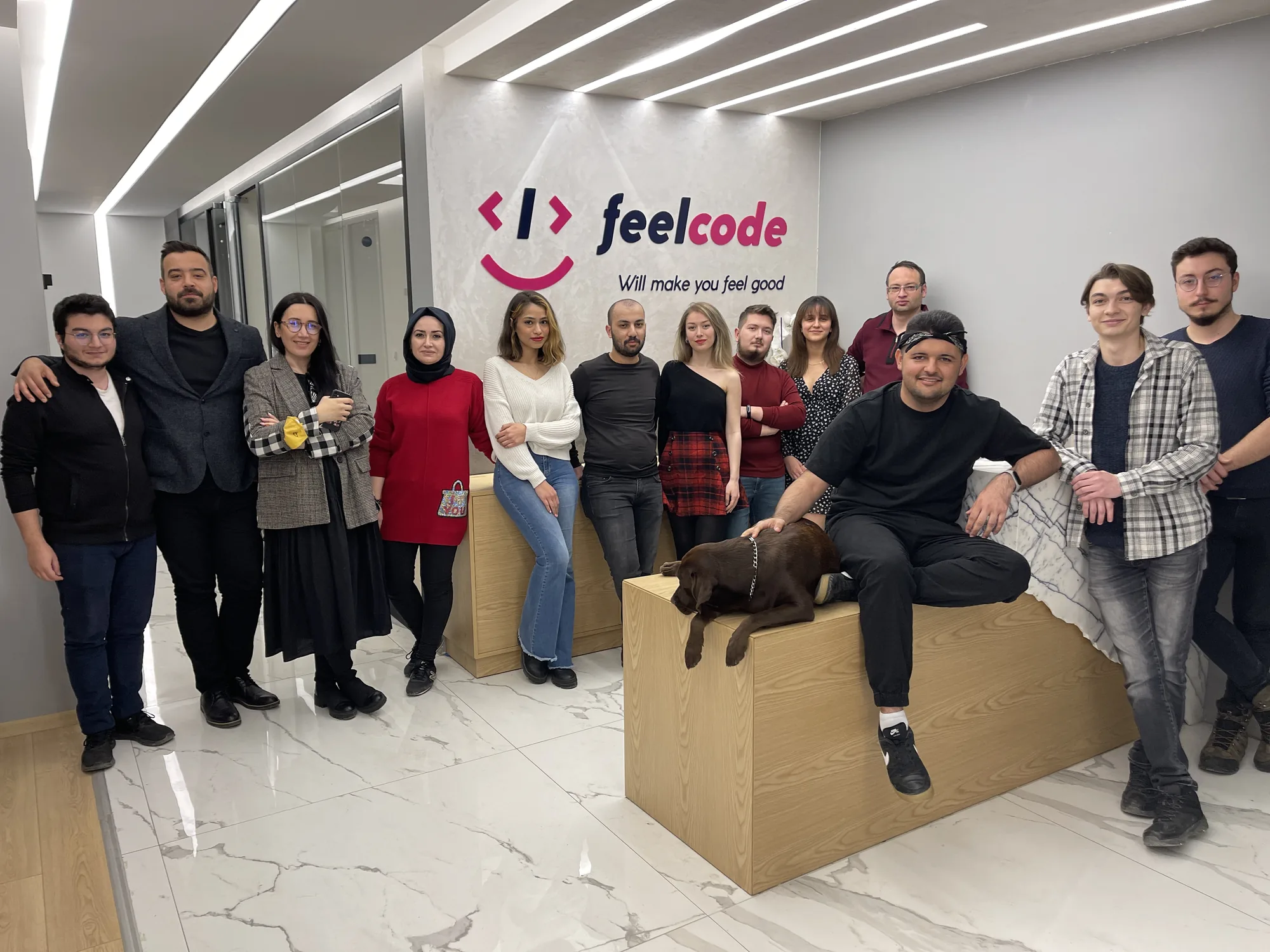
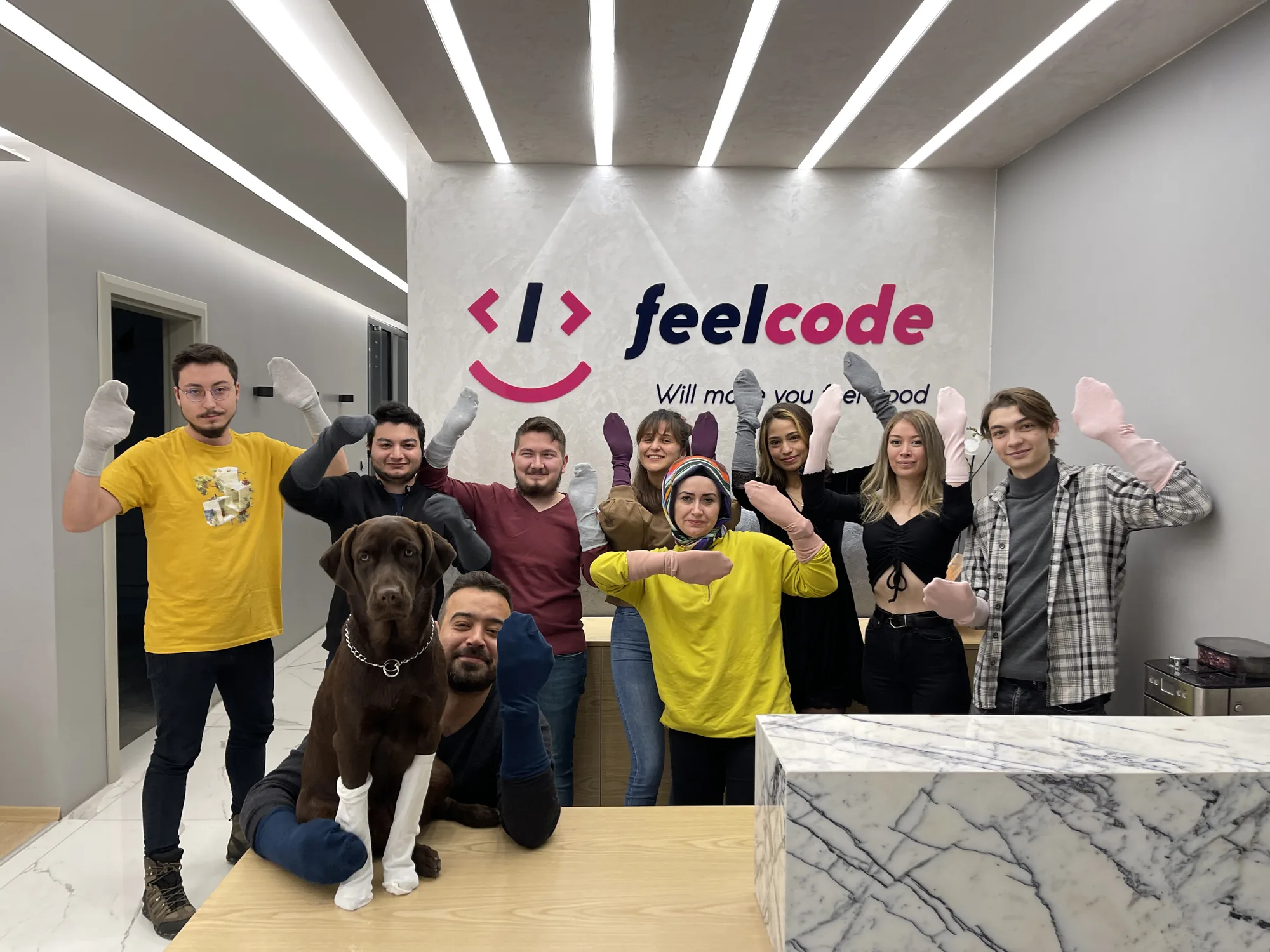
Then the volume grew. Our team of three or four partners grew to nine or ten people. We said "not under this name" and registered the ifeelcode brand under the Universitev roof. We moved from Tan Business Center to ifeelcode's own office.
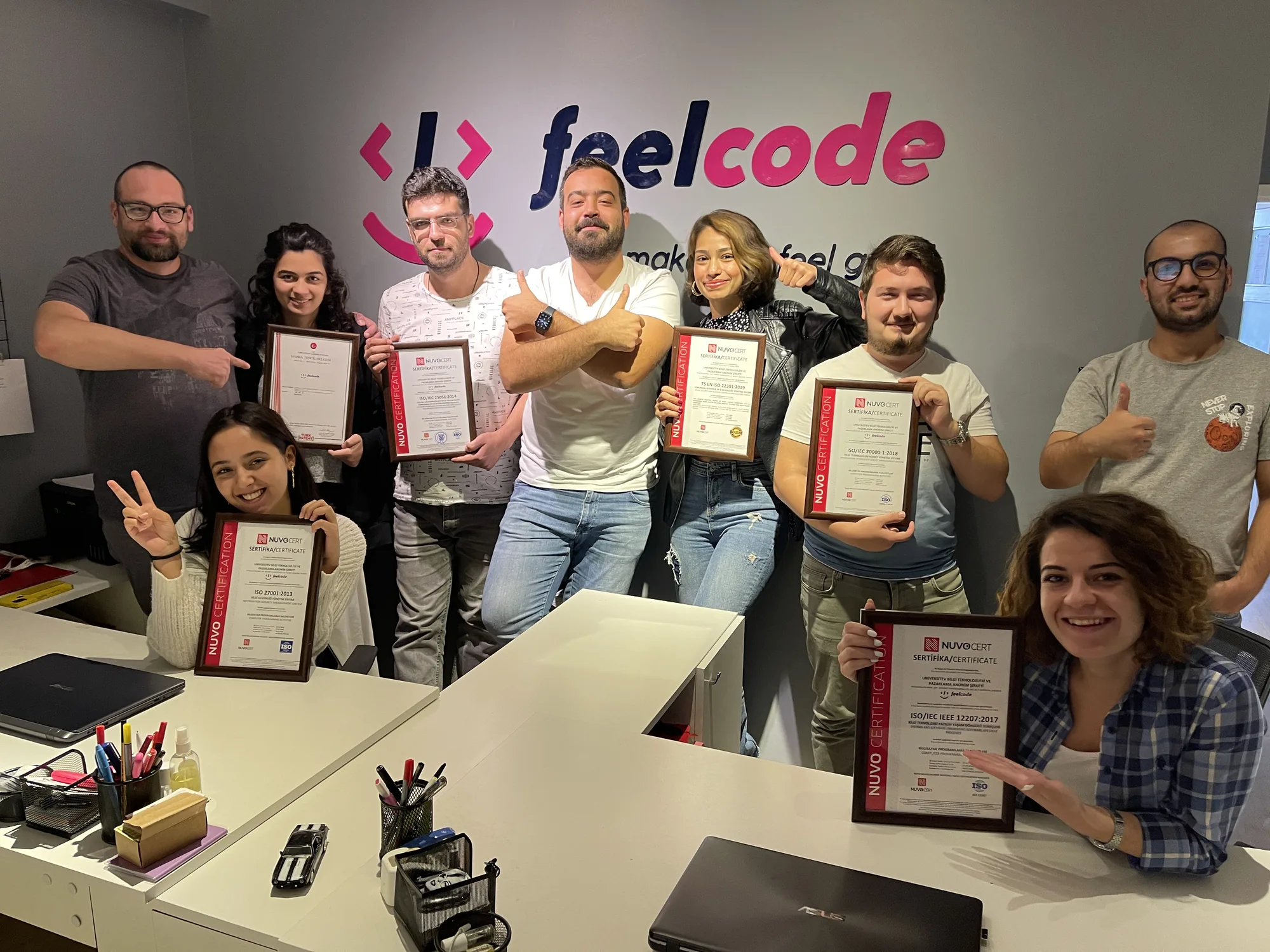
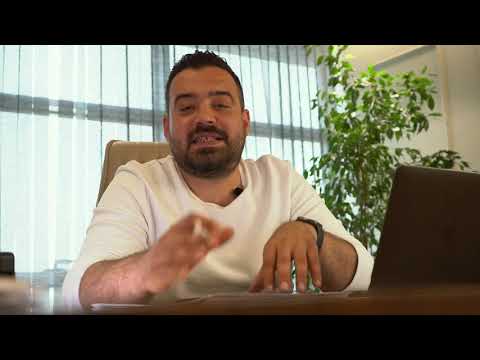
That leap brought big jumps in our marketing and software processes. With ifeelcode we reached, in a few years, the total client count that the biggest and oldest firms in our city had built over decades. The team grew to 37; design and video production joined the software. While all this was happening, I completed my MBA at Koç University, spread out over time.
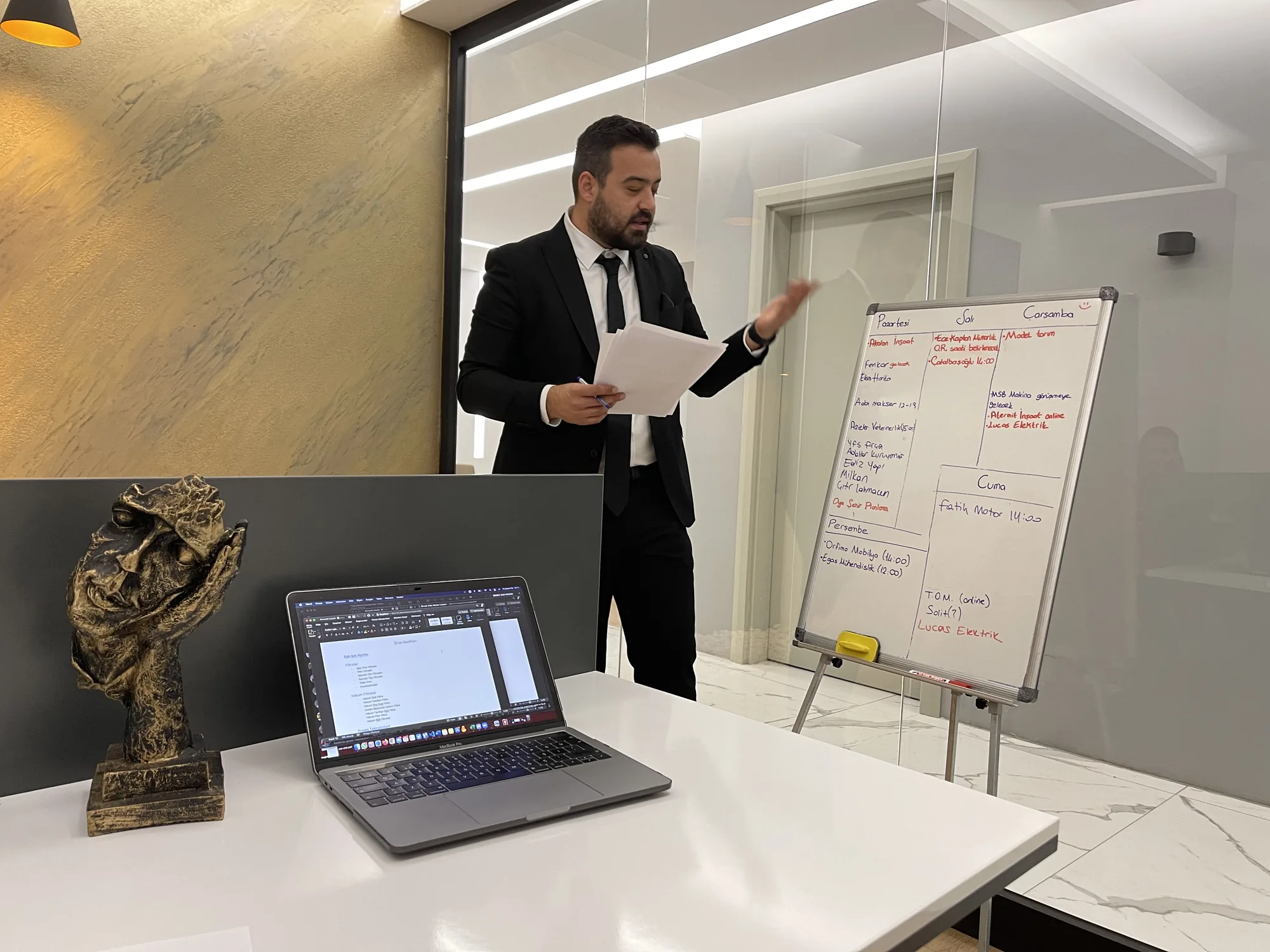
 The ifeelcode years — team and office
 The ifeelcode years — processes
A partnership that came
from Knight Online
In this period I met Oyuneks — or rather Marlen Mustafa Şahin, because Oyuneks was not yet a company. The story of how we met is a curious one: during the month or two I spent in bed after the accident, we had met while I was playing Knight Online, a game from my childhood.
I listened to his project. We started building Oyuneks and delivered it; in the first years we also worked together on marketing and software support. After this project both our business volume and our self-confidence rose. We had realised what we were capable of; we wanted to raise the bar even higher. But first we had to finish Universitev.
120,000 registrations
and a hard decision
The project was so big that it had dozens of main and sub-categories; we had to release it in pieces. We opened the dormitory, apartment, venues and blog sections first. With these features alone, and without a single ad, we reached 120,000 registrations.
But the work at ifeelcode was taking all of our time, and for the first time in that period I noticed something: the purpose that had brought me and my partners together was Universitev, and we had drifted away from it.
We had to make a decision. We tried leaving all the work and clients we had, and focusing on our own project for two years. We withdrew to where we had started — three or four partners in a home office — and transferred the ifeelcode brand together with its clients. It was a hard decision; but this was not why we had come together.
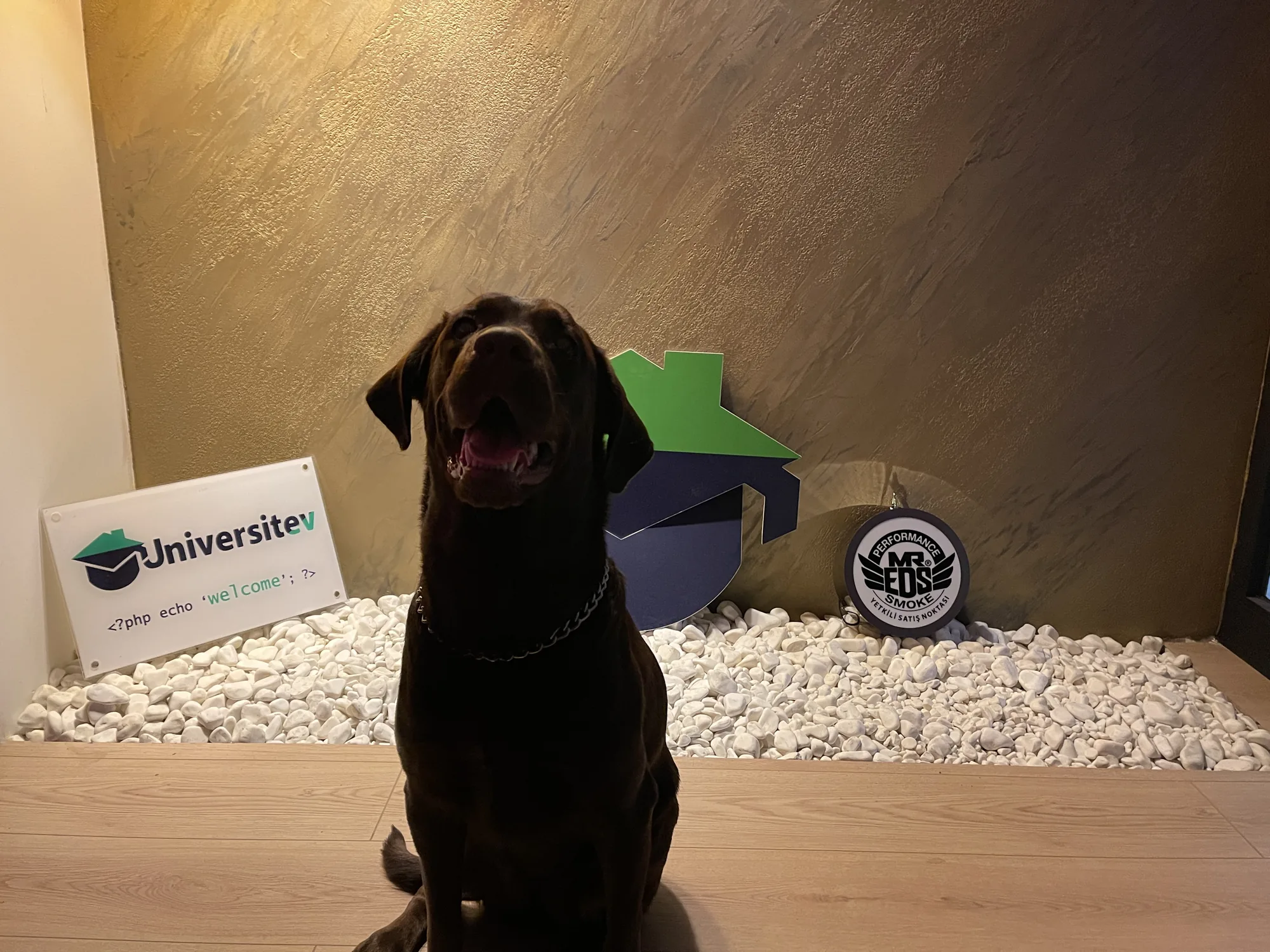
The decision to stop
At the end of the two-year focus period, because we could not move at the pace we wanted, we decided not to develop Universitev any further; not to drive another nail into it. universitev.com still stands today, as it is.
In short: out of seven or eight years of entrepreneurship, we were perhaps able to truly work on the project for only a few. But everything we know and have learned today, we owe to the trial and error and the research we did there. With that final decision my partners and I went our separate ways entirely; everyone took their own road.
Everything we know today, we owe to the trial and error we did there.
Six months and Partnerfy
After six months of thinking and planning I founded Partnerfy. Founded at the end of 2024, Partnerfy today has offices in four countries — Sakarya, Karlsruhe, Moscow and Dublin. With our team of 75 we provide software and marketing services to large enterprises; we combine the two under a single point of contact, because in the ifeelcode years we saw too many clients pay the price of that separation.
Kambloo — our commission-free e-commerce platform, where the software is free — is the newest claim under that roof.
Today
I still work from Sakarya. I still take things apart to understand them. And I still ask the same question:
If we don't do this, who will?
— Ömer Duman, Sakarya